


-

Add: HeBei ShengShi HongBang Cellulose Technology CO.,LTD.
-

Email
13180486930@163.com -

CONTACT US
+86 13180486930





In today’s competitive construction industry, the demand for high-performance additives has surged, making HPMC for sale a crucial commodity for builders, contractors, and manufacturers. Hydroxypropyl Methylcellulose (HPMC) is an advanced construction additive derived from cellulose, designed to enhance the workability, adhesion, and water retention properties of various cement-based and gypsum-based formulations. If you’re looking for HPMC for sale , you're likely involved in producing or applying materials such as tile adhesives, wall putty, self-leveling mortars, plasters, or exterior thermal insulation systems. This versatile compound serves as a thickener, binder, and stabilizer. It plays a significant role in adjusting the setting time, preventing sagging in vertical applications, and achieving better finishes. Choosing HPMC for sale ensures that your dry-mix mortar maintains consistent viscosity and texture during application. It allows construction materials to retain water longer, leading to improved curing, stronger adhesion, and better cohesion of applied products. In demanding climate conditions or rapid project timelines, these benefits are particularly invaluable. When selecting HPMC for sale , quality and grade matter. Construction-grade HPMC varies based on viscosity, setting time, and application method. Whether you're formulating lightweight gypsum plaster or durable tile adhesive, a tailored HPMC for sale selection will boost efficiency, quality, and product satisfaction. Hydroxymethyl Cellulose: A Key Ingredient for Superior Construction Performance Hydroxymethyl cellulose , often compared with HPMC, is another high-functioning cellulose ether that contributes significantly to modern construction chemistry. Though chemically distinct, hydroxymethyl cellulose shares several functional benefits that make it suitable for building applications, especially where water retention, bonding strength, and smooth application are desired. When used in plaster, hydroxymethyl cellulose allows for extended open time, ensuring smoother finishes and better leveling. Its water retention capability is particularly advantageous in hot or dry conditions where traditional materials dry too fast, causing cracks and poor bonding. In tile adhesives, hydroxymethyl cellulose increases initial tack and reduces tile slippage. This makes it ideal for vertical installations and heavy stone or ceramic tiles. It also ensures tiles can be repositioned during installation without compromising final adhesion. For external insulation systems and renders, hydroxymethyl cellulose provides the necessary rheological control to maintain consistency throughout application. Its film-forming abilities result in more uniform coatings and improved resistance to water penetration or weathering. Manufacturers seeking long-term reliability in construction formulas increasingly incorporate hydroxymethyl cellulose due to its stable performance across different cement and gypsum systems. It is non-reactive, compatible with a wide range of additives, and ensures consistent quality across production batches. How Hydroxypropyl Cellulose Safe Grades Boost Construction Efficiency There’s growing interest in using hydroxypropyl cellulose safe formulations in construction due to their balance between performance, safety, and environmental sustainability. Hydroxypropyl cellulose safe for use in building products offers not only technical advantages but also reduced health risks for workers and minimal environmental impact. In cement-based mortars, hydroxypropyl cellulose safe grades function as thickening agents, providing excellent water retention and improved cohesion. These properties are essential for reducing cracking and increasing the durability of structures such as floors, walls, and ceilings. Wall putties enriched with hydroxypropyl cellulose safe improve application properties such as spreadability, work time, and surface smoothness. It minimizes dust generation during mixing and troweling, promoting a healthier work environment while enhancing end-user satisfaction. In tile adhesives, hydroxypropyl cellulose safe compositions increase bonding strength while preventing sag or slip in vertical applications. These features reduce installation failures and allow for more efficient use of labor and materials on-site. Another compelling advantage is its environmental friendliness. Because hydroxypropyl cellulose safe formulations are non-toxic and biodegradable, they are preferred for sustainable building projects, especially in green-certified developments or eco-friendly housing projects. Comparing HPMC for Sale and Hydroxymethyl Cellulose in Dry Mixes When formulating dry-mix mortars or plaster products, professionals often weigh the benefits of HPMC for sale and hydroxymethyl cellulose . While both are cellulose derivatives with similar water-retention and thickening properties, each offers unique advantages depending on the specific construction application. HPMC for sale is generally preferred in high-performance applications such as tile adhesives, leveling compounds, and EIFS (Exterior Insulation and Finish Systems). It provides strong thickening power, high water retention, and smooth rheology, ensuring premium application properties and superior durability. On the other hand, hydroxymethyl cellulose offers slightly different hydration characteristics, which can be beneficial in applications requiring fast mixing or early strength development. It's suitable for skim coats, wall plasters, and low-viscosity mortars where easy flow and a fine finish are desired. Both additives help improve workability and reduce sag, but HPMC for sale tends to perform better under high-temperature or low-humidity conditions due to its superior film-forming and moisture control properties. When selecting between HPMC for sale and hydroxymethyl cellulose , formulation engineers consider a variety of factors, including desired viscosity, set time, and compatibility with other ingredients. In many cases, a blend of both can yield optimal performance, combining the strengths of each. Trends in Construction: Why Hydroxypropyl Cellulose Safe Materials Are In Demand In recent years, the demand for hydroxypropyl cellulose safe construction materials has grown dramatically, largely driven by new regulations, sustainability goals, and increasing attention to occupational health and safety. Construction sites benefit from hydroxypropyl cellulose safe materials because they minimize airborne dust and skin or respiratory irritation. These safety features are critical in environments where large volumes of material are handled and applied every day. The smoother mixing and dust suppression also contribute to a cleaner and more efficient workspace. From a sustainability standpoint, hydroxypropyl cellulose safe grades are often derived from renewable raw materials and processed with eco-conscious methods. This aligns with LEED-certified building practices and government green mandates, which emphasize low-VOC, low-toxicity construction products. The performance advantages remain uncompromised. Hydroxypropyl cellulose safe grades deliver reliable thickening, water retention, and bonding performance. They are also compatible with pigments, defoamers, and retarders used in modern building material formulations. Whether you're formulating advanced plaster systems, tile grouts, or EIFS adhesives, the switch to hydroxypropyl cellulose safe options reflects a commitment to quality, safety, and environmental responsibility. In today’s market, this can be a significant differentiator and a selling point for your brand. Hydroxymethyl cellulose FAQs What is the benefit of using HPMC for sale in construction-grade materials? HPMC for sale enhances water retention, adhesion, and workability in cement and gypsum-based products. It ensures proper hydration, prevents sagging, and extends open time, which helps in achieving better surface quality and construction efficiency. How does hydroxymethyl cellulose differ from other cellulose ethers in building applications? Hydroxymethyl cellulose has distinct hydration and flow properties, making it ideal for fast-setting materials like skim coats and smooth plasters. It offers excellent water retention and compatibility with other additives but may not match HPMC’s thickening strength under high-stress conditions. Is hydroxypropyl cellulose safe for workers and the environment on construction sites? Yes, hydroxypropyl cellulose safe products are considered non-toxic, low-dust, and biodegradable. They are safe for human handling and contribute to healthier job sites and eco-friendly building practices. Their low irritant profile makes them suitable for use in green-certified construction projects. Can I mix HPMC and hydroxymethyl cellulose in the same dry-mix formula? Absolutely. Many formulators combine HPMC for sale and hydroxymethyl cellulose to achieve a balance between strong thickening (from HPMC) and smooth application or early strength gain (from hydroxymethyl cellulose). The ratio depends on the final product requirements and performance targets. What should I consider when buying HPMC for sale for construction use? When selecting HPMC for sale , consider factors like viscosity, setting time, water retention, and application method. Also check the compatibility with your other raw materials, environmental certifications, and whether the supplier offers consistent quality and technical support.
- 40000tons

Production
- 20+years

Experience
- 5000+㎡

Acreage

-
Methocel HPMC, scientifically known as Hydroxypropyl Methylcellulose, is a versatile ingredient renowned for its multifaceted applications across industries. Recognized for its unique binding and thickening properties, Methocel HPMC serves as a pivotal component in both food products and pharmaceutical formulations. As a product expert with years of experience in the field, I can attest to the transformative impact Methocel HPMC has had on product development. Within the pharmaceuticals industry, Methocel HPMC is celebrated for its role in creating controlled-release formulations. This polymer acts as an integral matrix former, helping to deliver active ingredients consistently over a designated period. Such consistency ensures that patients receive the correct dosage without the fluctuations common in immediate-release formulations. My collaborations with pharmaceutical developers have revealed that Methocel HPMC not only enhances the efficacy of active compounds but also improves patient compliance by reducing dosing frequency, which is a vital consideration in chronic disease management. Transitioning to the food industry, Methocel HPMC is prized for its emulsifying and stabilizing capabilities. It plays a crucial role in products like sauces and dressings, where maintaining an even texture is paramount. During my work with food technologists, I've observed that Methocel HPMC’s ability to retain moisture and improve shelf stability addresses common industry challenges such as phase separation. This improved product integrity translates to enhanced consumer satisfaction as products maintain their intended taste and consistency. From an expert lens, the safety profile of Methocel HPMC strengthens its authority in various markets. Extensively vetted by regulatory agencies, including the FDA and EFSA, this ingredient meets rigorous safety standards, reassuring manufacturers and consumers alike. In my consultations with regulatory compliance teams, the consistent safety approvals for Methocel HPMC have often facilitated smoother product registrations across global markets, providing a competitive edge to businesses looking to expand internationally. methocel hpmc Trust in Methocel HPMC is further bolstered by its sustainable sourcing and production processes . Derived from cellulose, a naturally occurring polymer, Methocel HPMC aligns with current sustainability trends in consumer goods production. Leading companies are increasingly prioritizing eco-friendly ingredients, and Methocel HPMC’s biodegradable nature fits seamlessly into these initiatives. I have seen first-hand how brands that leverage Methocel HPMC can authentically strengthen their sustainability narratives, thereby enhancing their market positioning. As a testament to its enduring reliability, research and development continue to explore new applications for Methocel HPMC. Innovations such as its use in plant-based food products, owing to its non-animal origin, open doors to burgeoning markets. My interactions with R&D teams have illuminated Methocel HPMC’s potential to revolutionize not just existing products but also to create entirely new market segments driven by consumer demand for plant-based alternatives. In conclusion, Methocel HPMC’s combination of efficacy, safety, and sustainability makes it an indispensable tool for innovators in the pharmaceutical and food industries. Its ability to balance product performance with market needs underscores its continual relevance. For businesses striving to meet modern consumer expectations while maintaining a competitive advantage, incorporating Methocel HPMC could prove to be a strategic masterstroke.
-

When it comes to pharmaceutical excipients that deliver on multiple facets of efficacy and safety, HPMC Dextran 70 stands out as a remarkable agent. Its unique properties make it indispensable in medical formulations, ensuring improved patient outcomes across various applications. The hype around HPMC Dextran 70 isn't unfounded; it is grounded in its unparalleled efficacy, scientific backing, and its progressive adoption in advanced therapeutic developments. What makes HPMC Dextran 70 an unrivaled choice in the pharmaceutical industry is its dual-component nature that fuses the benefits of both hydroxypropyl methylcellulose (HPMC) and Dextran 70. The synergy of these two components not only enhances the stability of drug formulations but also optimizes their delivery. Dextran 70, a glucose polymer, is known for its highly branched structure, which allows for superior plasma volume expansion and improves the suspension of pharmaceutical active ingredients. On the other hand, HPMC offers remarkable film-forming capabilities and controlled-release properties, making it an ideal choice for sustained and predictable drug dispersion. Experience with HPMC Dextran 70 among healthcare professionals highlights its efficacy across various formulations. It's hailed for its ability to form hydrogels that are pivotal in ocular applications, ensuring superior hydration levels and tear film stability. In this domain, the user experience has been overwhelmingly positive, with patients reporting prolonged relief and fewer side effects compared to other ophthalmic solutions. Such real-world applications underscore the excipient’s role in enhancing patient adherence and satisfaction . From an expertise standpoint, the composition of HPMC Dextran 70 has been a subject of extensive research and development. Chemists and formulators value its compatibility with other pharmacological agents, which allows it to be employed in diverse therapeutic areas ranging from ophthalmology to parenteral nutrition. The dextran component is particularly noteworthy for its rheological properties that facilitate the formulation of intravenous therapies with excellent shelf stability. This compatibility is key for pharmaceutical companies seeking to extend product lines while maintaining a high safety profile. hpmc dextran 70 In discussing the authoritativeness of HPMC Dextran 70, peer-reviewed studies and clinical trials abound. Empirical evidence points to its exceptional safety margin, evidenced by its hypoallergenic nature and minimal systemic absorption, rendering it ideal for sensitive applications. Regulatory bodies worldwide, including the FDA and EMA, have duly recognized its benefits, often recommending it for incorporation in complex formulations that require high precision in drug release kinetics. Trustworthiness of a pharmaceutical excipient cannot be overstated, and HPMC Dextran 70 has amassed a reputation for reliability and consistent performance. Manufacturers and formulation scientists trust it as a key ingredient that meets rigorous quality standards. Its versatility in enhancing solubility and bioavailability of poorly water-soluble drugs further establishes its role in improving therapeutic efficacy across a spectrum of medical conditions. In essence, HPMC Dextran 70 isn't merely an excipient; it is a transformational agent in drug formulation. Its ability to integrate smoothly into diverse formulations makes it an invaluable asset in pharmaceutical innovation, aligning with current trends towards personalized medicine and targeted delivery systems. As more pharmaceutical entities embrace this versatile excipient, it is poised to significantly elevate the standards of healthcare solutions delivered worldwide. Ultimately, embracing HPMC Dextran 70 in pharmaceutical development is not just a choice but a commitment to advancing healthcare delivery, setting the bar high for quality, innovation, and excellence in patient care.
advantages
-

200000 Viscosities
Excellent product
We can produce pure products up to 200,000 viscosities
-

40000 tons
High yield
We don’t stop production all year round, and the annual output can reach 40,000 tons
-

24 hours
Quality service
We provide 24-hours online reception service, welcome to consult at any time
———— Inquiry Form
Schedule A services

-
 polypropylene_fiber
Oct . 25, 2025
Hydroxypropyl methylcellulose (HPMC) is widely recognized as a versatile compound that finds its app -
 redispersible_latex_powder
Oct . 25, 2025
Innovative material engineering is transforming industrial textiles, and strategic blending of fibre -
 use_of_hpmc
Oct . 25, 2025
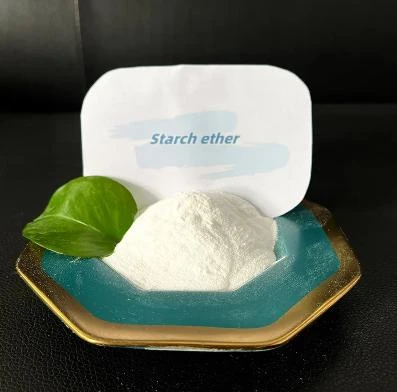
Starch Ether for Dry Mortar An Innovative Component in Construction Chemistry In the realm of constr


